


Zusammenfassung
Die iGaming-Branche – bestehend aus Online-Casinos, Sportwettenplattformen, Affiliate-Netzwerken, White-Label-Anbietern und Krypto-Casinos – entwickelt sich zu einem immer attraktiveren Ziel für Family-Office-Kapital. Da diese Investmentvehikel für Ultra-High-Net-Worth-Investoren ihre Direktakquisitionsmandate ausweiten, entsteht im iGaming-M&A-Bereich eine neue Klasse strategischer Käufer: geduldig, kapitalstark und beziehungsorientiert.
Ein Family Office ist eine private Gesellschaft, die ausschließlich zur Verwaltung der persönlichen und geschäftlichen Finanzangelegenheiten einer vermögenden Einzelperson oder Familie gegründet wurde. Im Gegensatz zu Private-Equity-Gesellschaften investieren Family Offices ihr eigenes Kapital – nicht das von Dritten. Dieser strukturelle Unterschied hat weitreichende Konsequenzen für Vertragsbedingungen, Haltefristen und das Management nach der Übernahme.
Die Betriebskosten eines Family Offices belaufen sich allein auf 500.000 bis 2,5 Millionen US-Dollar pro Jahr (Personalkosten). Daher ist diese Art der Unternehmensführung nur für Familien mit einem investierbaren Vermögen von mindestens 50 bis 100 Millionen US-Dollar rentabel. Angesichts eines geschätzten globalen Vermögens von 20 Billionen US-Dollar ist die Aktivität von Family Offices im Bereich Fusionen und Übernahmen – einschließlich des digitalen Gamings – beträchtlich und wächst stetig.
Dieser von CasinosBroker.com erstellte Bericht soll iGaming-Betreibern, Online-Casino-Inhabern, Gründern von Affiliate-Plattformen und White-Label-Unternehmen helfen zu verstehen, wer Family Offices sind, wie sie bei Übernahmen vorgehen und was zu erwarten ist, wenn man sie als potenzielle Käufer ins Gespräch bringt.
Einleitung: Eine neue Käuferklasse betritt den iGaming-Markt
Wenn iGaming-Anbieter einen Exit in Erwägung ziehen, beginnen die Gespräche typischerweise mit zwei Käufertypen: strategischen Akquisiteuren – größeren Anbietern oder Plattformen, die Marktanteile gewinnen wollen – und Private-Equity-Gesellschaften, die innerhalb eines definierten Fondszyklus finanzielle Renditen anstreben. Beide sind gängig und gut bekannt. Es gibt jedoch eine dritte Käuferkategorie, weniger sichtbar, aber zunehmend aktiv, deren Einfluss auf Fusionen und Übernahmen im iGaming-Bereich ernsthafte Beachtung verdient.
Family Offices haben sich still und leise zu einem der attraktivsten Käufer digitaler Unternehmen mit wiederkehrenden Einnahmen entwickelt. Der Online-Casino-Sektor mit seinem abonnementähnlichen Einzahlungsverhalten der Spieler, den lizenzierten regulatorischen Rahmenbedingungen und der globalen Skalierbarkeit passt hervorragend zu den Investitionsstrategien von Family Offices.
Ihre zunehmende Präsenz spiegelt einen breiteren Trend wider: Mit dem Wachstum der globalen Zahl vermögender Privatpersonen und der zunehmenden Reife ihrer Family Offices ersetzen direkte Übernahmen von operativen Unternehmen passive Anlagestrategien. Für Anbieter im iGaming-Bereicheröffnet dies einen neuen und oft flexibleren Weg zur Liquidität – einen Weg, der möglicherweise mehr von dem bewahrt, was Ihre Plattform wertvoll macht.
Was ist ein Family Office? Grundlagen für iGaming-Anbieter
Ein Family Office ist ein privates Unternehmen, dessen einziger Zweck die Verwaltung der persönlichen und geschäftlichen Angelegenheiten einer vermögenden Einzelperson oder Familie ist. Durch die Gründung einer separaten juristischen Person kann die Familie Experten mit der Verwaltung von Investitionen, dem Abschluss von Verträgen und der Vermögensverwaltung beauftragen – und gleichzeitig die persönliche Haftung beschränken und die Privatsphäre der Familie wahren.
Das Konzept ist Jahrhunderte alt. John D. Rockefeller gilt weithin als Gründer des ersten Full-Service-Single-Family-Office in den USA im Jahr 1882. Die moderne Form des Family Office wurde jedoch maßgeblich durch den Reichtum geprägt, der im Aktienboom der 1980er-Jahre, der Tech-IPO-Welle der frühen 2000er-Jahre und zuletzt durch das explosive Wachstum digitaler Unternehmen in den 2010er-Jahren geschaffen wurde. Viele der Familien, die heute iGaming-Assets erwerben, haben ihr Vermögen in angrenzenden Branchen erwirtschaftet: Telekommunikation, Fintech, Medien und Internet für Endverbraucher.
Das Team und die Betriebsstruktur
Ein Family Office wird von einem eng vernetzten Team aus Experten betreut – Anlageberatern, Unternehmensanwälten, Steuerspezialisten, Transaktionsberatern und in manchen Fällen Lifestyle-Managern und persönlichen Concierges. Die komplexe Verwaltung von 50 Millionen US-Dollar oder mehr an diversifizierten Vermögenswerten in Immobilien, Aktien, Beteiligungen und operativen Unternehmen erfordert spezialisiertes Fachwissen, das kein einzelner Berater bieten kann.
Im M&A-Kontext übernimmt typischerweise der Investmentarm des Family Offices die Akquise und Durchführung von Transaktionen. Größere Family Offices verfügen über spezialisierte Corporate-Development-Teams, deren Erfahrung mit der von Private-Equity-Experten im Mittelstand vergleichbar ist. Für Verkäufer aus der iGaming-Branche bedeutet dies, dass Ihr Gegenüber ein erfahrener Transaktionsprofi sein kann – und nicht nur der Gesellschafter selbst –, der über formalisierte Prozesse für Due Diligence, Bewertung und Transaktionsstrukturierung verfügt.
Die Kosten für die Führung eines Family Office
Die Führung eines Family Offices ist kostspielig. Die Personalkosten für ein Team von fünf bis zehn Experten können jährlich 500.000 bis 2,5 Millionen US-Dollar betragen. Für eine Familie mit einem Vermögen von 100 Millionen US-Dollar entspricht dies etwa 2 % des jährlichen Nettovermögens – ein erheblicher Aufwand, der sich erst ab einem Vermögen von 50 bis 100 Millionen US-Dollar wirtschaftlich lohnt. Dieser Kostenkontext ist für Verkäufer im iGaming-Bereich relevant: Er gibt Aufschluss über das Mindestniveau des potenziellen Geschäftspartners und dessen Ernsthaftigkeit bei der Annäherung an Akquisitionen.
Datenschutz, Diskretion und der iGaming-Aspekt
Family Offices geben sich selten als solche zu erkennen. Man begegnet ihnen eher unter Bezeichnungen wie „Private Investment Office“, „Capital Group“ oder einfach unter dem Familiennamen. Diese Diskretion ist bewusst gewählt – vermögende Familien sind besonders in regulierten Branchen wie dem Glücksspiel anfällig für Betrug, Rechtsstreitigkeiten und Reputationsschäden.
Für iGaming-Anbieter hat dies eine wichtige praktische Konsequenz: Um Family Offices als Käufer zu erreichen, sind spezialisierte Vermittler mit etablierten Kontakten erforderlich. Die direkte Kontaktaufnahme mit Family Offices ist selten zielführend. CasinosBrokers Beratungsdienst für Transaktionen schließt genau diese Lücke – er bringt qualifizierte iGaming-Assets mit dem passenden Pool verifizierter, vertraulicher Käufer zusammen.
Die größten Family Offices der Welt (Rangliste 2023)
Die folgende Tabelle, die dem Sovereign Wealth Fund Institute (SWFI) vom Oktober 2023 entnommen wurde, veranschaulicht die Größe der weltweit größten Family Offices. Obwohl diese nur die Spitze eines viel größeren Spektrums darstellen, verdeutlichen sie das enorme Kapitalangebot dieser Investorengruppe.
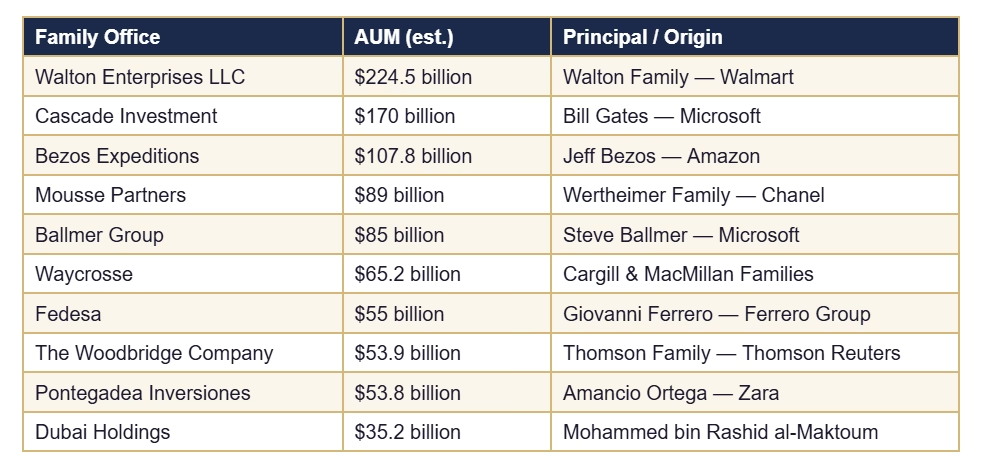 Es ist wichtig zu beachten, dass dieses Ranking nur öffentlich sichtbare Organisationen berücksichtigt. Die tatsächliche Anzahl globaler Family Offices – von denen viele völlig im Verborgenen agieren – wird auf 6.500 bis 20.000 geschätzt, wobei einige Studien die Zahl sogar noch höher ansetzen. Im iGaming-M&A-Markt sind es vor allem Family Offices mittlerer Größe (50–500 Mio. USD verwaltetes Vermögen), die am aktivsten Online-Casino-Unternehmen, Affiliate-Plattformen und White-Label-Lösungen erwerben.
Family Offices vs. Private Equity bei iGaming-Transaktionen
Der wichtigste Unterschied, den Sie bei der Bewertung von Family Offices als potenzielle Käufer für Ihr iGaming-Unternehmen beachten sollten, ist, dass diese ihr eigenes Kapital investieren. Private-Equity-Gesellschaften hingegen verwalten Kapitalpools, die von institutionellen Investoren – Pensionsfonds, Stiftungen, Staatsfonds – aufgebracht wurden, und sind rechtlich verpflichtet, dieses Kapital innerhalb eines festgelegten Fondslaufzeitraums, in der Regel sieben bis zehn Jahren, zurückzuzahlen.
Dieser strukturelle Unterschied verändert alles. Ein Private-Equity-Fonds, der im ersten Jahr eines zehnjährigen Fonds ein Online-Casino erwirbt, plant bereits seine Exit-Strategie. Die Anreize für das Management sind auf einen Liquiditätszufluss ausgerichtet. Operative Entscheidungen werden anhand der Exit-Multiplikatoren abgewogen. Fremdkapital wird aggressiv eingesetzt, um die Eigenkapitalrendite zu steigern. Für manche Verkäufer kann dies zu einer Diskrepanz zwischen Werten und Visionen führen.
Family Offices unterliegen keinen solchen Beschränkungen. Sie investieren, um das Familienvermögen über Generationen hinweg zu erhalten und zu mehren – ein Zeithorizont, der Jahrzehnte umfassen kann. Wenn sie ein profitables Online-Casino erwerben, sind sie nicht gezwungen, es innerhalb von fünf Jahren mit dem Dreifachen des Wertes weiterzuverkaufen. Sie können es durch regulatorische Änderungen, Marktzyklen und Plattform-Upgrades hindurch halten und die Gewinne reinvestieren, anstatt sie abzuschöpfen. Für Gründer von iGaming-Unternehmen, denen wichtig ist, was nach dem Verkauf mit ihrem Unternehmen geschieht, ist dieser Unterschied oft entscheidend.
Laut einer UBS-Umfrage betrachten mehr als zwei Drittel der Family Offices Direktinvestitionen im Private-Equity-Stil als einen wichtigen Bestandteil ihrer Portfoliostrategie. Ihre Beteiligung an globalen Startups und Wachstumsunternehmen liegt laut Daten von PricewaterhouseCoopers bei über 10 %. Insbesondere im iGaming-Bereich beschleunigt sich dieser Trend, da die Cashflow-Generierungsmerkmale digitaler Spiele von Vermögensberatern immer besser verstanden werden.
Arten von Family Offices: SFOs, MFOs und darüber hinaus
Family Offices lassen sich in zwei Hauptstrukturen unterteilen – Single Family Offices (SFOs) und Multi Family Offices (MFOs) – sowie in verschiedene Hybridmodelle. Zu wissen, mit welcher Art von Family Office man es zu tun hat, hilft, die Erwartungen hinsichtlich Transaktionsgeschwindigkeit, Entscheidungsbefugnissen und operativer Beteiligung nach dem Abschluss besser einzuschätzen.
Single-Family-Offices
Ein Single Fortune Fund (SFO) wird von einer Einzelperson oder Familie gegründet, um deren Vermögen exklusiv zu verwalten. Die Dienstleistungen sind maßgeschneidert, die Prozesse hochgradig individualisiert, und Interessenkonflikte mit anderen Familien sind ausgeschlossen. Bekannte Beispiele hierfür sind Vulcan Inc. von Paul Allen, Cascade Investment von Bill Gates und Bayshore Global Management von Sergey Brin. Im iGaming-Bereich sind SFOs, die von Technologie- oder Medienunternehmern gegründet wurden, tendenziell die aggressivsten Direktakquisiteure, da sie von digitalen Geschäftsmodellen angezogen werden, die sie bestens verstehen.
Mehrfamilienbüros
Ein MFO (Multi-Funds Fund) betreut zwei oder mehr Familien und bündelt Ressourcen, um den Verwaltungsaufwand zu reduzieren und gleichzeitig eine professionelle Vermögensverwaltung zu gewährleisten. Die Gebühren werden üblicherweise als Prozentsatz des verwalteten Vermögens berechnet. MFOs verfügen in der Regel über formalisiertere Anlageprozesse und breitere Mandate, was ihre Transaktionskriterien transparenter macht und ihre Bereitschaft zur Übernahme von iGaming-Unternehmen besser einschätzen lässt.
Eingebettete und ausgelagerte Family Offices
Eingebettete Family Offices (EFOs) agieren innerhalb der bestehenden Unternehmensstruktur einer Familie und nicht als separate juristische Person, während ausgelagerte Family Offices (OFOs) Netzwerke unabhängiger Berater darstellen, die im Auftrag einer Familie zusammenarbeiten. Beide Modelle repräsentieren den zugänglicheren Bereich des Family-Office-Spektrums – und im iGaming-M&A-Markt sind EFOs besonders relevant, wenn eine Betreiberfamilie gleichzeitig eine Casinogruppe führt und ihre Investitionstätigkeiten über dieselbe Unternehmensstruktur verwaltet.
Wie Family Offices in Online-Casino-Unternehmen investieren
Anlagestrategie und Branchenpräferenzen
Nicht alle Family Offices verfügen über eine schriftliche Anlagerichtlinie. Einige arbeiten mit formalen Anlagerichtlinien (Investment Policy Statements, IPS) und vorgeschriebenen Branchenkriterien; andere treffen ihre Entscheidungen auf Basis von Erfahrung, Beziehungen und Überzeugung. Für iGaming-Anbieter, die sich an Family Offices wenden, bedeutet dies, dass die Anforderungen an die Due-Diligence-Prüfung und die Zeitpläne für Transaktionen je nach Partner erheblich variieren können.
Kleinere Family Offices investieren tendenziell in Branchen, die sie gut kennen – oft in den Sektor, der ursprünglich den Vermögensaufbau der Familie ermöglicht hat. Eine Familie, die ihr Vermögen im Telekommunikationssektor erwirtschaftet hat, könnte sich für datenintensive digitale Plattformen interessieren. Eine Medienfamilie könnte sich auf Unterhaltung und Gaming konzentrieren. Größere Family Offices hingegen unterhalten häufig diversifizierte Portfolios, die Immobilien, Venture Capital, Aktien und Direktakquisitionen umfassen – wobei iGaming zunehmend als eigenständiger Posten auftaucht.
Die Attraktivität der iGaming-Branche für Family Offices beruht auf mehreren Merkmalen: wiederkehrende Einzahlungen von treuen Spielern, geografische Diversifizierung durch Lizenzen in mehreren Märkten, vergleichsweise geringer Investitionsbedarf für etablierte Plattformen und die Möglichkeit, durch Technologie statt durch Personalwachstum zu skalieren. Krypto-Casino-Modelle bieten technologieorientierten Family Offices, die an Blockchain-nahen Einnahmequellen interessiert sind, eine zusätzliche interessante Dimension.
Halteperioden und Ausstiegsstrategie
Einer der wichtigsten Unterschiede zwischen Family Offices und Private-Equity-Investoren liegt in ihrer Herangehensweise an Haltedauer und Exit-Strategien. Private-Equity-Gesellschaften müssen innerhalb ihres Fondszyklus – typischerweise drei bis sieben Jahre – aussteigen. Dies führt zu dem, was viele iGaming-Gründer als „PE-Uhr“ bezeichnen: ein impliziter Druck, das Unternehmen für einen kurzfristigen Verkauf zu optimieren, anstatt auf nachhaltige, langfristige Performance zu setzen.
Family Offices unterliegen dieser Einschränkung nicht. Haltefristen von zehn bis zwanzig Jahren sind keine Seltenheit. In der Praxis bedeutet dies, dass sie zum Zeitpunkt der Akquisition keinen festgelegten Exit-Plan benötigen. Sie erwarten nicht, dass das Unternehmen innerhalb von drei Jahren „exit-ready“ ist. Sie können mit einem längeren Amortisationszeitraum in Produktinfrastruktur, die Akquisition von Marktteilnehmern und Markenentwicklung investieren.
Für iGaming-Betreiber, die auch nach dem Verkauf weiterhin involviert bleiben, ist dies oft der wertvollste Aspekt einer Family-Office-Partnerschaft. Ohne ein künstliches Exit-Mandat kann sich das Management auf den Aufbau echter Wettbewerbsvorteile konzentrieren – bessere Spiele, stärkere Kundenbindungsmechanismen, tiefere Marktdurchdringung – anstatt auf kurzfristige EBITDA-Optimierung.
Club-Deals und syndizierte iGaming-Übernahmen
Es ist üblich, dass Family Offices gemeinsam mit anderen Family Offices oder institutionellen Partnern in sogenannten „Club Deals“ investieren. Schätzungen zufolge erfolgt rund ein Drittel aller Akquisitionen von Family Offices in irgendeiner Form durch Syndizierung. Bei größeren iGaming-Assets – wie lizenzierten Casino-Gruppen, Affiliate-Netzwerken mit mehreren Jurisdiktionen oder White-Label-Plattformen für Unternehmen – ermöglichen Club-Deal-Strukturen einzelnen Family Offices die Beteiligung in einem Umfang, der ihre Möglichkeiten als Einzelkäufer übersteigen würde.
Für Anbieter im iGaming-Bereich bietet ein Syndikatsdeal sowohl Vorteile als auch Komplexität. Positiv ist, dass Club-Deals eine schnellere Abwicklung und wettbewerbsfähigere Preise ermöglichen, wenn mehrere Käufer beteiligt sind. Der potenzielle Nachteil liegt in der komplexeren Governance-Struktur nach dem Abschluss, die klare Gesellschaftervereinbarungen und definierte Entscheidungsprozesse erfordert.
Vorteile des Verkaufs Ihres Online-Casinos an ein Family Office
Die Argumente für die Wahl eines Family Office gegenüber einer Private-Equity-Gesellschaft oder einem strategischen Käufer sind für den richtigen iGaming-Verkäufer überzeugend. Die folgenden Vorteile spiegeln sowohl strukturelle Vorteile als auch qualitative Faktoren wider, die erfahrene Marktteilnehmer immer wieder als wichtig für eine Transaktion nennen.
Die Flexibilität bei der Transaktionsstruktur ist einer der am häufigsten genannten Vorteile. Da Family Offices nicht an Fondsmandate, Genehmigungsprozesse der Limited Partners oder feste Renditevorgaben gebunden sind, können sie kreative Transaktionsstrukturen vorschlagen – beispielsweise erfolgsabhängige Zahlungen, die an die Bruttogewinnentwicklung gekoppelt sind, teilweise Aktienübertragungen, aufgeschobene Kaufpreise, die an Meilensteine der Lizenzierung geknüpft sind, oder Verkäuferfinanzierungsvereinbarungen –, die institutionelle Käufer nicht ohne Weiteres umsetzen können.
Die Gewissheit eines erfolgreichen Abschlusses ist ein weiterer entscheidender Vorteil. Family Offices setzen ihr eigenes Kapital ein, und der Zugang zu Fremdkapital ist keine Voraussetzung für den Abschluss einer Transaktion. Die Transaktionen sind weniger anfällig für Finanzierungsrisiken und Marktbedingungen, die Private-Equity-finanzierte Transaktionen in volatilen Zeiten zum Scheitern bringen können. Für Online-Casino-Betreiber in Ländern, in denen Transaktionssicherheit von höchster Bedeutung ist – insbesondere bei behördlichen Genehmigungen – ist dies ein wesentlicher Faktor.
Die Geschwindigkeit der Entscheidungsfindung wird oft unterschätzt. Ohne Investitionsausschüsse, Genehmigungsprozesse zwischen General Partner und Limited Partner oder mehrfache interne Freigaben können Family Offices den Übergang vom Term Sheet zum Abschluss bemerkenswert effizient gestalten. Bei iGaming-Transaktionen, bei denen der Zeitpunkt entscheidend ist – etwa im Zusammenhang mit einer Lizenzverlängerung, einem Umsatzhöhepunkt oder einem Wettbewerbsereignis – ist ein Käufer, der selbstständig Entscheidungen treffen kann, einen Aufpreis wert.
Über die rein wirtschaftlichen Aspekte hinaus bringen Family Offices typischerweise tiefgreifende Branchennetzwerke, operative Geduld und ein langfristiges Engagement für die Gründer mit. Für Gründer, die auch nach einer Übernahme weiterhin im Unternehmen mitwirken möchten, ist diese kulturelle Übereinstimmung oft der entscheidende Faktor.
Zu berücksichtigende Nachteile und Risiken
Kein Käufertyp ist ohne Nachteile, und Family Offices bilden da keine Ausnahme. Eine offene Risikobewertung ist für jeden iGaming-Anbieter, der einen Verkaufsprozess anstrebt, unerlässlich.
Der am häufigsten genannte Nachteil ist das Fehlen eines klar definierten Ausstiegspfads für die verbleibenden Anteilseigner. Wer nach dem Abschluss der Transaktion eine bedeutende Beteiligung behält und auf einen zweiten Liquiditätszufluss innerhalb von drei bis fünf Jahren hofft – eine bei Private-Equity-Transaktionen übliche Vorgehensweise –, für den ist ein Family Office möglicherweise nicht der richtige Käufer. Dessen Präferenz für langfristige Beteiligungen kann Minderheitsaktionäre faktisch binden, ohne dass ein klarer Mechanismus zur Realisierung zukünftiger Werte besteht.
Organisatorische Komplexität und Fokussierung können ebenfalls Herausforderungen darstellen. Je umfangreicher und diversifizierter das Portfolio eines Family Offices ist, desto schwieriger ist es, die nötige Aufmerksamkeit aufrechtzuerhalten. Eine Familie, die Anteile an Immobilien, Aktien, einer Konsumgütermarke und einem Online-Casino verwaltet, wird nicht immer dieselben Prioritäten setzen wie ein spezialisierter iGaming-Anbieter. Der Transaktionsprozess kann ins Stocken geraten, wenn der Auftraggeber abgelenkt ist oder das Investmentteam in branchenfremden Sektoren tätig ist.
Auch die Verhandlungsmacht verdient Erwähnung. Die meisten Family Offices sind nicht gezwungen, ein bestimmtes Geschäft abzuschließen. Sie verfügen über zahlreiche Alternativen, arbeiten ohne an das Transaktionsvolumen gekoppelte Umsatzvorgaben und sind geduldige Verhandlungspartner. Verkäufer, die ohne Wettbewerbsdruck – also ohne mehrere qualifizierte Bieter – in einen Prozess einsteigen, stellen oft fest, dass Family Offices diese Verhandlungsmacht gezielt und effektiv einsetzen.
Wichtige Überlegungen für iGaming-Anbieter
Zeithorizont, Kapitalhebelwirkung und Transaktionsstruktur
Der lange Anlagehorizont eines Family Offices verändert das Umfeld nach einer Übernahme grundlegend. Ohne den Druck eines festgelegten Exits kann Ihr Online-Casino-Unternehmen Wachstumsstrategien mit echtem langfristigem Nutzen verfolgen: den Aufbau von Live-Dealer-Studios, die Expansion in regulierte Märkte in den USA oder Brasilien, die Entwicklung einer eigenen CRM-Loyalitätsarchitektur oder die Investition in die Integration einer Krypto-Wallet. Dies sind Investitionen, die von Zeit profitieren – und Family Offices bieten diese Zeit.
Family Offices agieren in puncto Fremdkapital auffallend konservativ. Während eine von Private Equity finanzierte Akquisition das Casino-Unternehmen mit Akquisitionsschulden belasten und operative Investitionen über Jahre hinweg einschränken kann, nutzen Family Offices typischerweise deutlich weniger Fremdkapital – laut Branchenumfragen durchschnittlich etwa 17 % des Vermögens. Für iGaming-Unternehmen, die in regulatorischen Umfeldern operieren, in denen die finanzielle Lage im Rahmen von Lizenzverlängerungsverfahren genau geprüft wird, ist eine geringere Verschuldung nicht nur wirtschaftlich sinnvoll, sondern auch strategisch wichtig.
Die von Family Offices vorgeschlagenen Transaktionsstrukturen sind in der Regel kreativer und verkäuferfreundlicher als die von institutionellen Käufern. Erfolgsbeteiligungen, die an Unternehmensübernahmen, Umsatzwachstum oder den Eintritt in neue Märkte gekoppelt sind, ermöglichen es Verkäufern, zusätzliche Gewinne zu erzielen. Aktienübertragungen – bei denen die Gründer nach Abschluss der Transaktion 20–40 % des Unternehmens behalten – sind üblich, und Anreizsysteme, die die weitere Beteiligung des Verkäufers fördern, sind Standard.
Management, Beziehungen und Integration nach dem Verkauf
Family Offices investieren ebenso viel in Beziehungen wie in Unternehmen. In Branchen wie iGaming – wo das Produkt erlebnisorientiert ist, das Vertrauen der Spieler höchste Priorität hat und regulatorische Beziehungen über Jahre aufgebaut werden – ist das Humankapital einer Plattform oft genauso wertvoll wie die Technologie selbst. Family Offices verstehen dies intuitiv, und ihre Due-Diligence-Prüfung spiegelt dies wider: Erwarten Sie detaillierte Gespräche über Teamstruktur, Abhängigkeiten von Schlüsselpersonen, Managementkompetenz und kulturelle Werte.
Nach dem Abschluss der Transaktion verfolgen die meisten Family Offices einen eher passiven Managementstil. Sie entsenden kein Team in die Zentrale und führen auch nicht sofort ein Rebranding des Casinos durch. Sie fordern möglicherweise Quartalsberichte, einen Sitz im Aufsichtsrat und eine enge Einbindung in strategische Entscheidungen – die operative Verantwortung verbleibt jedoch beim übernommenen Managementteam. Dies unterscheidet sich von strategischen Käufern, die Akquisitionen typischerweise in ihre bestehenden operativen Strukturen integrieren, und Private-Equity-Gesellschaften, die häufig neue Management- oder Finanzteams einsetzen.
Für Gründer, denen das Vermächtnis am Herzen liegt – die Marke, die sie aufgebaut haben, das Team, das sie zusammengestellt haben, und die Spielergemeinschaft, die sie bedienen – fühlt sich der Verkauf an ein Family Office oft grundlegend anders an als ein institutioneller Exit. Diese qualitative Dimension ist wichtig, und erfahrene M&A-Berater im iGaming-Bereich werden Ihnen bestätigen, dass sie in die Auswahl des Käufers einfließen sollte.
Zusammenarbeit mit CasinosBroker zur Gewinnung von Family-Office-Käufern
CasinosBroker.com ist eine spezialisierte Beratungs- und Marktplatzplattform für Fusionen und Übernahmen im iGaming-Bereich und wird von BMF Digital SRL betrieben. Unsere sorgfältig zusammengestellte Datenbank umfasst lizenzierte Online-Casinos, Affiliate-Plattformen, White-Label-Anbieter und digitale Gaming-Assets. Unser Marktplatz – erreichbar unter marketplace.casinosbroker.com – verbindet qualifizierte Käufer, darunter Family Offices, Private-Equity-Gesellschaften und strategische Käufer, mit geprüften iGaming-Unternehmen jeder Größenordnung.
Um Family Offices im iGaming-Bereich zu erreichen, reicht ein Listing allein nicht aus. Diskretion, ein umfassendes Netzwerk und Beratungskompetenz in den Bereichen Bewertung, Transaktionsstrukturierung, regulatorische Angelegenheiten und Due-Diligence-Prüfung sind unerlässlich. Unser Team begleitet Verkäufer in jeder Phase des Prozesses – von der Erstellung eines vertraulichen Informationsmemorandums über die Steuerung konkurrierender Käuferprozesse bis hin zur Beratung zu Earn-out- und Equity-Rollover-Mechanismen.
Wenn Sie einen vollständigen oder teilweisen Ausstieg aus Ihrem Online-Casino, Affiliate-Geschäft oder Ihrer iGaming-Plattform erwägen und dabei Family Offices als potenziellen Käufer in Betracht ziehen, freuen wir uns auf ein Gespräch mit Ihnen. Unsere Transaktionsberatung ist vertraulich, beziehungsorientiert und speziell auf die Bedürfnisse erfahrener Unternehmer zugeschnitten.
Besuchen Sie CasinosBroker.com oder nehmen Sie direkt Kontakt auf, um Ihre Vermögenswerte, Ihren Zeitplan und Ihre Ziele zu besprechen.
Abschluss
Family Offices stellen eines der attraktivsten – und gleichzeitig am wenigsten genutzten – Käufersegmente für iGaming-Anbieter dar, die einen Exit erwägen. Ihre strukturelle Flexibilität, ihr langfristiges Kapital und ihr beziehungsorientierter Ansatz machen sie besonders geeignet für die Feinheiten von Fusionen und Übernahmen im Online-Casino-Bereich, wo regulatorische Komplexität, Markenwert und Kontinuität im Management entscheidend für den Unternehmenswert sind.
Die bewährte Umsatzstruktur, die digitale Skalierbarkeit und die globale Reichweite der iGaming-Branche decken sich weitgehend mit den Kriterien, die Family Offices für langfristige Direktinvestitionen anstreben. Da diese Investorengruppe ihre Akquisitionskompetenzen weiter professionalisiert und ihr Branchenverständnis vertieft, wird ihre Beteiligung an M&A-Transaktionen im iGaming-Bereich weiter zunehmen.
Ob Sie ein Einzelunternehmer mit einem Boutique-Online-Casino sind, ein mittelständisches Affiliate-Netzwerk, das kontinuierlichen Traffic und Umsatz generiert, oder eine White-Label-Plattform, die einen gut kapitalisierten Wachstumspartner sucht – das Verständnis dafür, wie Family Offices denken, investieren und sich nach dem Abschluss verhalten, ist eine unerlässliche Vorbereitung für jeden erfolgreichen Exit.
CasinosBroker ist hier, um Sie bei diesem Prozess zu unterstützen.
Häufig gestellte Fragen (FAQ)
Die folgenden Fragen spiegeln die häufigsten Anfragen wider, die uns von iGaming-Betreibern erreichen, die im Rahmen eines M&A- oder Exit-Planungsprozesses nach Family Office-Käufern suchen.
Frage 1: Was ist ein Family Office und warum erwerben diese Unternehmen Online-Casino-Unternehmen?
Ein Family Office ist eine private Gesellschaft, die gegründet wurde, um das Vermögen und die Anlagen vermögender Privatpersonen oder Familien zu verwalten. Ihr wachsendes Interesse am iGaming-Sektor spiegelt die beständigen Umsätze, die globale Reichweite und die digitale Skalierbarkeit der Branche wider – Eigenschaften, die mit langfristigen Vermögenssicherungsstrategien übereinstimmen.
Frage 2: Worin unterscheidet sich ein Family Office von einer Private-Equity-Gesellschaft beim Kauf eines Online-Casinos?
Im Gegensatz zu Private-Equity-Gesellschaften investieren Family Offices ihr eigenes Kapital ohne Mandate von Drittfonds oder festgelegte Exit-Zeitpläne. Dies verschafft ihnen deutlich mehr Flexibilität hinsichtlich Transaktionsstruktur, Haltedauer und operativer Beteiligung – und macht sie so besonders attraktiv für iGaming-Anbieter, die einen stabilen und unaufdringlichen Käufer suchen.
Frage 3: Welche Arten von iGaming-Assets erwerben Family Offices typischerweise?
Family Offices investieren in ein breites Spektrum von iGaming-Anlagen, darunter lizenzierte Online-Casinos, Sportwettenplattformen, Affiliate-Marketing-Netzwerke, White-Label-Anbieter und Krypto-Casino-Projekte. Sie bevorzugen bewährte, umsatzstarke Plattformen mit hoher Kundenbindung und einwandfreiem regulatorischem Status.
Frage 4: Wie wende ich mich an ein Family Office bezüglich des Verkaufs meines Online-Casinos oder meiner Affiliate-Website?
Der effektivste Weg führt über einen spezialisierten iGaming-M&A-Berater oder einen Marktplatz wie CasinosBroker. Family Offices legen Wert auf Vertraulichkeit und beziehungsbasierte Kontakte – unaufgeforderte Kontaktaufnahme ist selten erfolgreich. Ein sorgfältig ausgearbeitetes vertrauliches Informationsmemorandum (CIM) mit Angaben zu Bruttospielerträgen (GGR), Nettospielerträgen (NGR), Spielerkennzahlen und Lizenzdetails ist unerlässlich.
Frage 5: Wird ein Family Office nach der Übernahme versuchen, die Betriebsweise meines Online-Casinos zu verändern?
Die meisten Family Offices bevorzugen einen eher passiven Managementstil. Sie behalten in der Regel das bestehende operative Team bei und bevorzugen es, wenn der Gründer oder das Management weiterhin das Tagesgeschäft führt. Ihre Priorität liegt auf einem stabilen Cashflow und langfristigem Wertzuwachs – nicht auf operativen Störungen.
Frage 6: Welche Bewertungsmultiplikatoren verwenden Family Offices für iGaming-Akquisitionen?
Family Offices verwenden bei der Bewertung von Online-Casino-Unternehmen in der Regel EV/EBITDA- oder EV/GGR-Multiplikatoren. Diese Multiplikatoren variieren je nach Lizenzierungsverfahren, geografischer Verteilung der Spieler, Umsatzstabilität und Plattformtyp. Im Gegensatz zu Private-Equity-Gesellschaften, die aggressive IRR-Ziele verfolgen, akzeptieren Family Offices unter Umständen niedrigere Multiplikatoren, um eine planbare Rendite und eine hohe Vermögensqualität zu erzielen.
Frage 7: Wie wichtig ist eine Glücksspiellizenz beim Verkauf an ein Family Office?
Eine gültige Glücksspiellizenz ist unerlässlich. Family Offices, die im Rahmen von M&A-Prüfungen Due-Diligence-Prüfungen durchführen, prüfen die zuständige Lizenzbehörde genau – Curaçao, Malta (MGA), Isle of Man, Gibraltar und die UKGC sind gängige Beispiele. Lizenzen aus Anjouan oder informelle Graumarktlizenzen können konservative Family Offices, insbesondere solche in regulierten Finanzmärkten, abschrecken.
Frage 8: Können Family Offices in Krypto-Casinos oder Blockchain-basierte iGaming-Plattformen investieren?
Ja, und das Interesse wächst. Family Offices mit zukunftsorientierten Anlagestrategien sind zunehmend offen für die Übernahme von Krypto-Casinos und Blockchain-basierten iGaming-Plattformen, insbesondere wenn die Einnahmen On-Chain nachweisbar sind, Compliance-Rahmenbedingungen vorhanden sind und die Plattform über eine anerkannte Lizenz verfügt.
Frage 9: Was sind die Hauptrisiken beim Verkauf eines iGaming-Unternehmens an ein Family Office?
Das am häufigsten genannte Risiko ist das Fehlen eines klar definierten Ausstiegspfads für die verbleibenden Anteilseigner – Family Offices können Vermögenswerte auf unbestimmte Zeit halten. Hinzu kommt das Risiko langsamerer Entscheidungsfindung, wenn der Auftraggeber anderweitig beschäftigt ist, sowie gelegentlich weniger formalisierte Due-Diligence-Prozesse im Vergleich zu institutionellen Private-Equity-Investoren.
Frage 10: Wie hilft CasinosBroker iGaming-Betreibern dabei, mit Family Offices als Käufern in Kontakt zu treten?
CasinosBroker betreibt einen spezialisierten M&A-Marktplatz für die iGaming-Branche und bringt verifizierte Käufer – darunter Family Offices, Private-Equity-Gesellschaften und strategische Käufer – mit lizenzierten Online-Casinos, Affiliate-Plattformen, White-Label-Anbietern und verwandten digitalen Gaming-Assets zusammen. Unsere Berater begleiten Verkäufer von der ersten Listung bis zum endgültigen Abschluss durch den gesamten Prozess – von der Bewertung über die Transaktionsstrukturierung bis hin zur Käuferansprache.
Einblicken in die Lizenzierung und Informationen zu Fusionen und Übernahmen auf dem Laufenden – direkt in Ihrem Feed.